Townhome vs. Detached Single-Family: Selecting the Ideal 10-Year Lifestyle Plan
Real Estate
Real Estate
When buyers shop for homes, most shop for the next two years. The smarter exercise is picturing the next ten. A townhome and a detached single-family house can carry nearly identical monthly payments today, then feel like two completely different financial lives by year eight.
I see it constantly. The spreadsheet says the homes are even. The decade says otherwise.
Before we tour anything, I ask three questions. Who will be living in this house in ten years? What will you be doing on a Saturday morning? And how much of your free time do you want the property to claim?
Those answers predict satisfaction better than square footage does. A buyer who travels two weekends a month rarely loves a half-acre lot. A family planning to host aging parents rarely loves a party wall and a shared driveway.
Buyers looking at real estate in Mount Airy, Philadelphia tend to face this fork early, because the neighborhood offers both: stone twins and detached character homes on one block, newer townhome rows a few streets over.
This is where the two paths separate fastest. Industry guidance puts annual maintenance on a detached home at roughly 1% to 4% of its value, depending on age and condition. On a $500,000 detached home, that's $5,000 to $20,000 a year, averaged across good years and bad ones.
Older housing stock pushes you toward the top of that range. Research from the Harvard Joint Center for Housing Studies tracks how much of the owner-occupied inventory is past the 40-year mark, and regional properties lean significantly older.
Here's what typically lands in a detached owner's decade:
Roof replacement: $12,000 to $28,000 for architectural shingles on a two-story colonial, more for slate repairs on older historic properties.
Exterior paint or pointing: $8,000 to $18,000, often twice in ten years on wood trim.
HVAC: $7,000 to $14,000 for a full system swap.
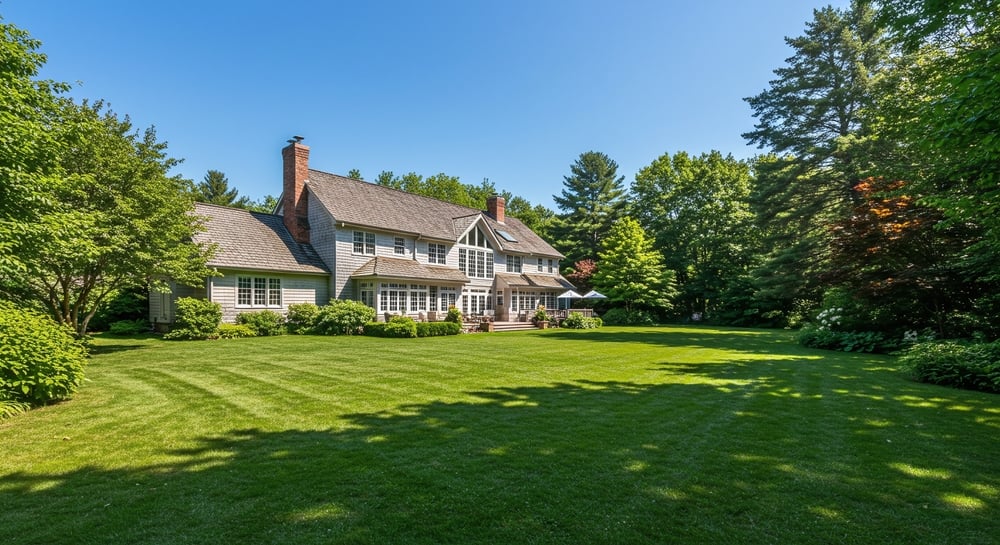
Tree work: $900 to $3,000 per large removal, especially on heavily wooded parcels.
Driveway, gutters, lawn care, snow: a steady $1,500 to $4,000 annually if you hire it out.
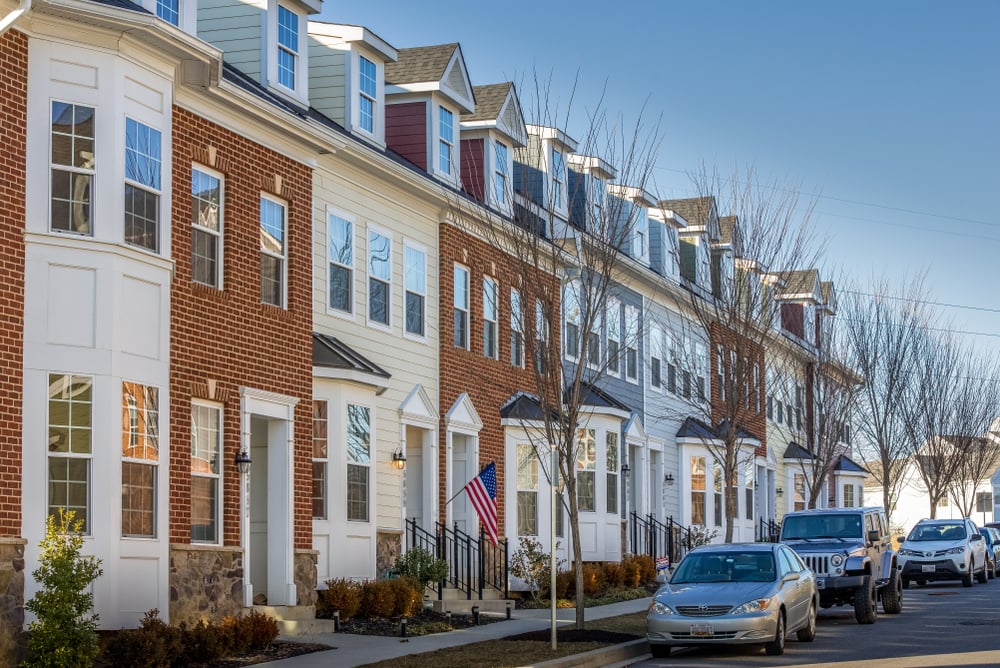
Townhome owners trade most of that for a fee. Association dues commonly run $150 to $400 a month. At $275, you've spent $33,000 over ten years, and dues rise over time.
The fee usually covers roofs, siding, lawn, snow, and common areas. It does not cover your furnace, your water heater, or your windows in many associations. Read the declaration, not the brochure.
I've watched the same HOA document make one client relieved and another furious. The rules themselves are neutral. Your plans are what decide.
Restrictions worth checking before you fall in love:
Rental caps, which matter if you might keep the place as an investment later.
Architectural review for decks, fences, storm doors, and even paint colors.
Parking and vehicle limits, including bans on commercial vehicles and RVs.
Pet weight or breed limits, which surprise buyers more than anything else.
Special assessment history, a quick read on whether reserves are healthy.
Ask for the last two years of meeting minutes. A board arguing about a major roofing project is telling you something the listing never will.
Land appreciates. Buildings depreciate and get repaired. That single idea explains most of the long-run gap between the two housing types.
A detached home on a quarter acre carries a larger land share, so it tends to hold value better in slower markets and climb faster in tight ones. Townhomes often appreciate well too, especially in walkable pockets, but they compete directly with every similar unit in the same community. When five neighbors list at once, your pricing power shrinks.
The counterweight is entry price. A townhome frequently costs $75,000 to $150,000 less than a comparable detached home nearby. That's a smaller loan, a faster closing, and money left over to invest elsewhere. Starting ownership three years earlier is itself an equity strategy.
When browsing homes for sale in Lansdale, PA, I regularly see that spread play out inside a single ZIP code. A newer townhome and a 1960s detached rancher a mile away can post similar ten-year returns once you subtract a decade of dues from one and a decade of repairs from the other.
Detached homes flex. You can finish a basement, add a bathroom, build a garage, or convert an upper level into an in-law suite if zoning allows. Those options are worth real money when life changes direction, and life usually does.
Townhomes flex vertically and not much else. You'll get a finished lower level and maybe a deck. Party walls and association rules close off the rest.
Vertical living also ages differently. Three floors feel effortless at 35 and tiring at 70. If the ten-year plan includes a knee replacement or a parent moving in, main-floor living deserves weight in the decision.
Rather than ranking the two, I match them to the decade ahead:
Two careers, heavy travel, no kids planned: Townhome. Lock the door and go.
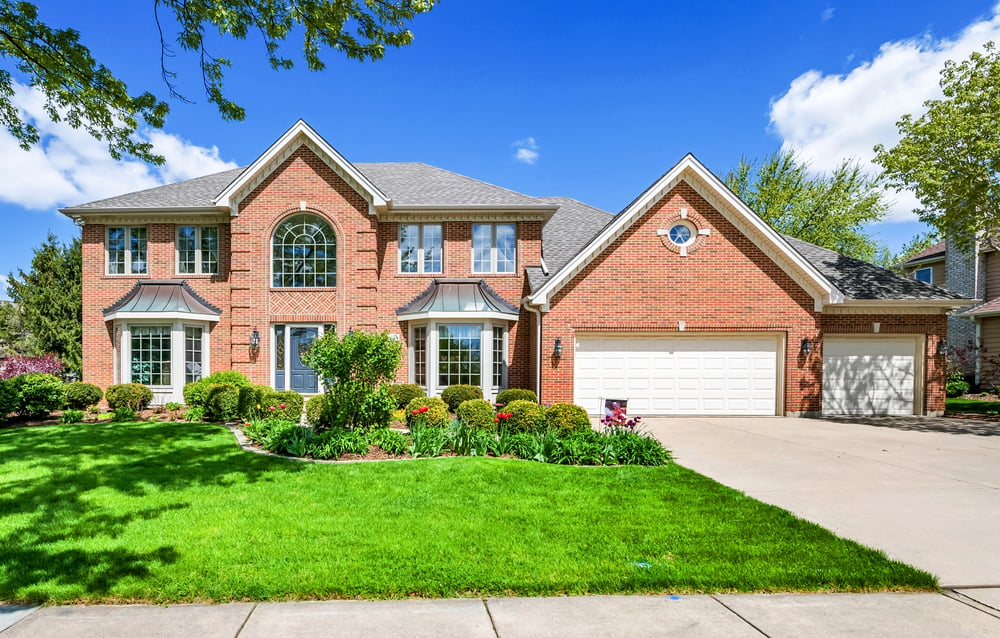
Growing family, hosting holidays, dogs: Detached, with yard and storage you won't outgrow by year four.
Downsizing from a large property: Townhome, ideally one with a first-floor primary suite.
Remote work needing two offices: Detached, or a townhome with a true finished basement.
Buying with a five-year horizon: Townhome, since lower entry costs recover faster.
Planning a future rental or multigenerational setup: Detached, where restrictions are fewer.
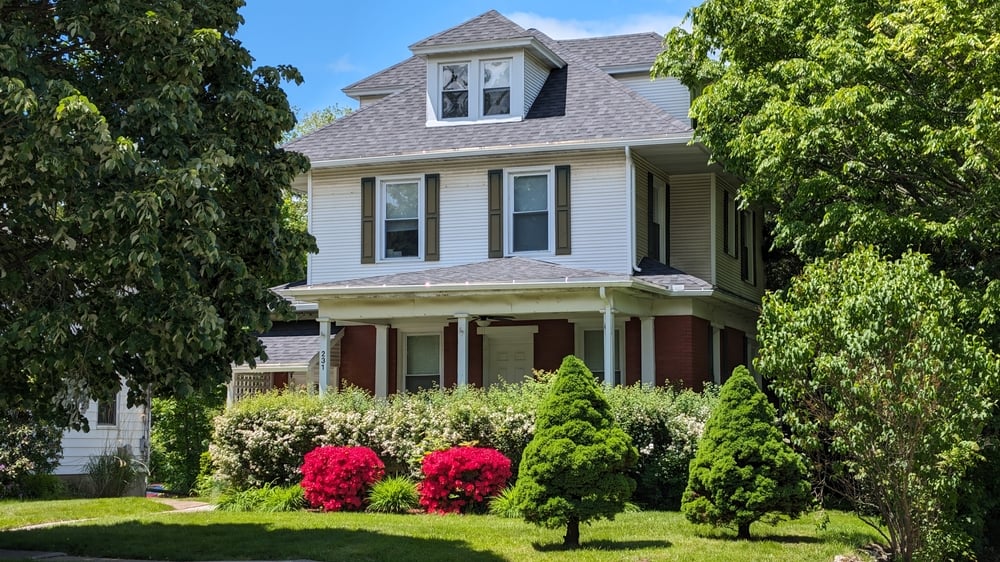
In urban historic markets, you're often choosing between a 1920s stone twin with original woodwork and a newer attached home near regional rail lines. The character is extraordinary. So is the repair list on a century-old building, and buyers should price that honestly.
Suburban corridors run the other way. Borough blocks mix modest detached homes with townhome communities built from the 1990s onward, and regional rail connections keep commuters interested. Newer construction means fewer surprise systems, though association fees take their share.
Data from the U.S. Census Bureau's housing characteristics show how much larger newly built single-family homes have become compared to decades past, which is one reason older detached homes still price competitively against new townhomes.
Over ten years, townhomes often appreciate within a few percentage points of detached homes in the same market, but they typically lag during downturns. The land share is smaller, and the comparable inventory is larger, so pricing power softens when several neighbors list at once.
Plan on 1% to 4% of the home's value each year, or roughly $400 to $1,200 a month on a $500,000 property. Older homes sit at the higher end once you account for roofing, masonry, and original windows.
No, dues are set by the association budget and divided among units, so no individual buyer can negotiate them. You can review the reserve study and assessment history before closing to judge how fast those fees are likely to climb.
Rarely beyond a deck, patio, or finished basement, and all three usually require written architectural approval. Party walls, lot lines, and shared systems eliminate most expansion options that a detached lot would allow.
A townhome usually wins at a five-year horizon because the lower purchase price and reduced upkeep shorten your break-even point. Detached ownership generally needs seven to ten years to absorb transaction and repair costs comfortably.
Bring your 2036 picture to realtor Tabitha Heit, and she will show you which housing type supports it. Contact Tabitha Heit today to walk through the numbers and build a strategy before you start touring!
Real Estate

Real Estate
Real Estate
Real Estate
Lifestyle
Real Estate
Real Estate
Real Estate
Real Estate
Tabitha offers professional, personalized, and trustworthy real estate service, from start to finish and always holds herself accountable. To provide a fair, fun experience in every transaction, She will go above and beyond to ensure 100% satisfaction with her services.