Townhome vs. Detached Single-Family: A Guide to the 10-Year Lifestyle Plan
Real Estate
Real Estate
When you are searching for a home, it’s easy to get caught up in the immediate future. You might be focused on whether the kitchen has stainless steel appliances, if there’s enough room for a home office, or how short the commute is to work. But buying a home isn't just about where you want to live next year; it’s about where your life is heading over the next decade.
This decision isn’t just a matter of price or square footage; it is the foundational blueprint for your lifestyle and your financial trajectory over a 10-year horizon. In this guide, we will break down how this choice impacts your daily calendar, your monthly expenses, and your ability to build "forced equity" in the Greater Philadelphia real estate market.
Why a 10-year plan? Because ten years is the typical window where major life transitions happen simultaneously. A young professional couple buying their first home might look back a decade later to find they now have two kids, a dog, and a completely different set of daily priorities. Conversely, a homeowner whose children are heading off to college might be looking toward a decade of travel, career peaks, and freedom from domestic chores.
As you look at homes for sale in Montgomery County, mapping your 10-year trajectory will dictate whether a townhome or a detached home is the right vehicle for your goals.
The most immediate, day-to-day difference between these two housing types boils down to how you want to spend your Saturdays.
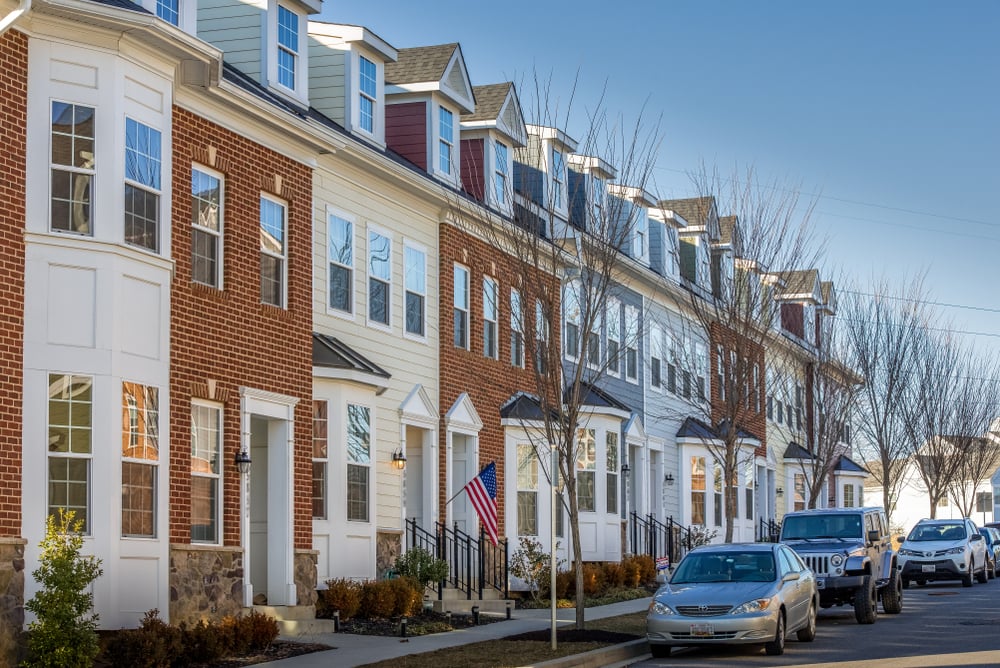
Townhouse living is fundamentally about buying back your time. In a traditional townhouse community, the exterior maintenance is managed for you. When a heavy winter storm rolls through, you don't have to worry about waking up early to shovel the driveway before catching the train. When summer hits, you won't spend your weekend sweating behind a lawnmower. Roof repairs, siding maintenance, and common area landscaping are wiped off your personal to-do list.
For professionals with demanding careers, frequent travelers, or those who prefer spending weekends running along the trails or meeting friends at a local brewery, the townhome offers a low-friction lifestyle. Your home becomes a sanctuary rather than a second job.
On the other side of the equation is the classic detached single-family home. Here, the primary asset is autonomy and land.
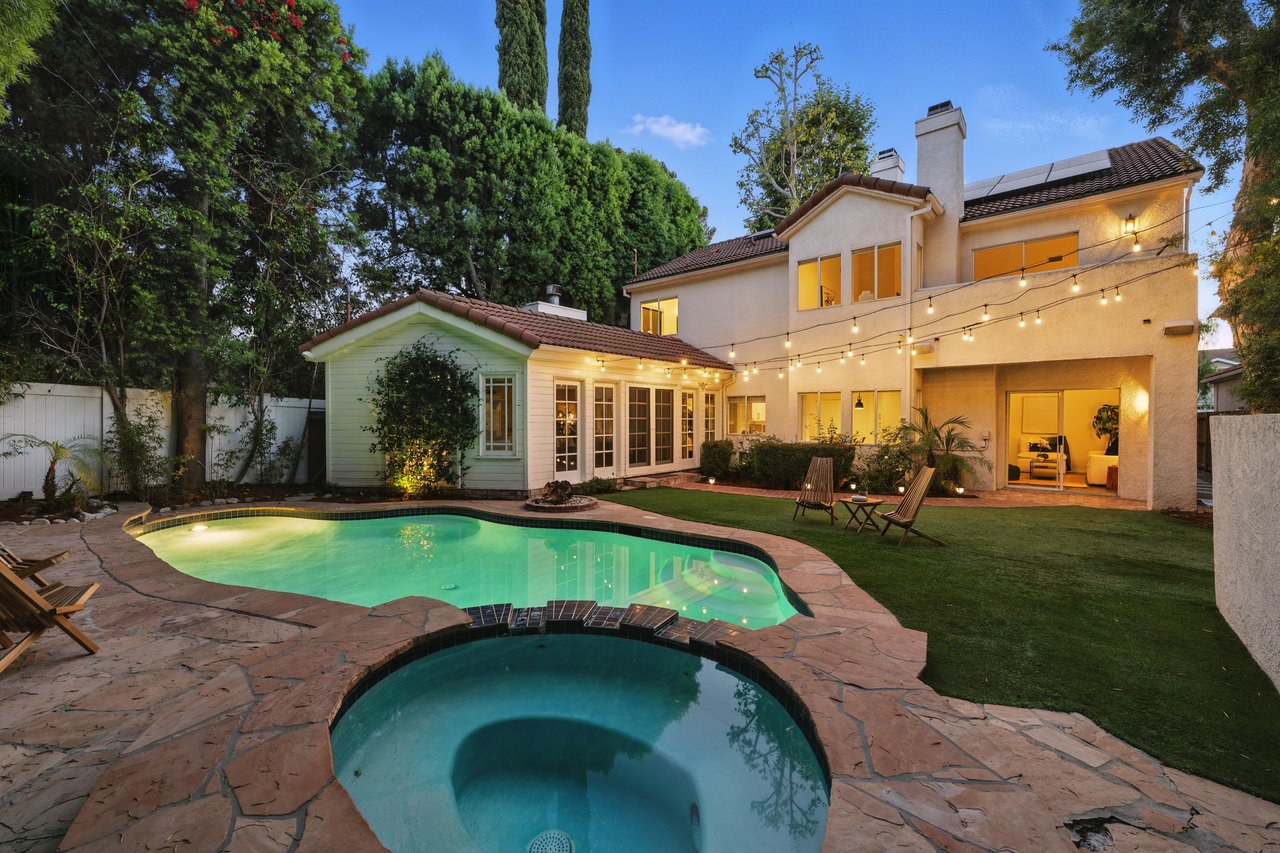
If your 10-year plan includes expanding your family, adopting large pets, or hosting summer backyard barbecues, yard space shifts from a chore to a necessity. A detached home means no shared walls, offering a level of acoustic privacy that townhomes simply cannot match. You have the freedom to plant a sprawling garden, install a playground set, build a deck, or let your dog roam freely in a fenced yard.
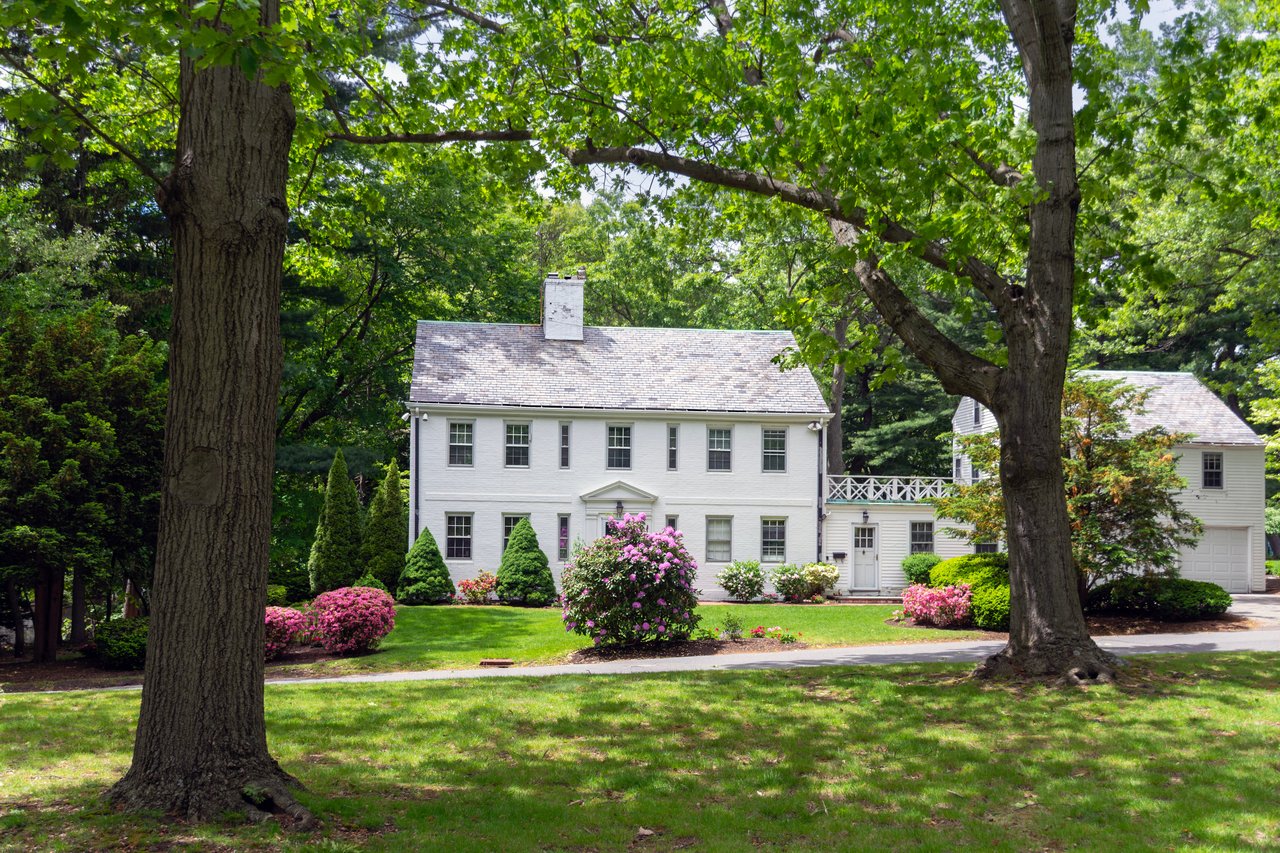
However, that space comes with a trade-off. In a detached home, you are the captain of the ship. If the roof leaks, the gutters clog, or the oak tree in the front yard needs trimming, the coordination and financial burden fall entirely on you. Over a 10-year period, a single-family home requires a disciplined homeowner who is willing to invest either their own time or significant capital into routine upkeep.
When evaluating townhomes, Homeowners Association (HOA) fees are a critical piece of the financial puzzle. Buyers often look at the initial monthly HOA fee and assume it will remain static. In reality, understanding HOA trends is vital to your 10-year financial planning.
In the current real estate environment, HOA fees across Pennsylvania have seen upward pressure. This trend is driven by two main factors:
Inflation and Labor Costs: The cost of hiring professionals for landscaping, snow removal, and roofing has risen significantly over the past few years.
Insurance and Reserve Studies: Property insurance premiums have climbed across the board. Additionally, stricter regulations and smarter management practices require HOAs to maintain healthier "reserve funds" to cover long-term capital improvements (like repaving community roads or replacing roofs) without leveling massive, unexpected special assessments on the residents.
When looking at a townhome, don’t just look at the current HOA fee, ask to review the association’s financial health and resale certificates. A well-managed HOA with steady, predictable minor increases is actually a safety net. It keeps the community’s curb appeal high, protecting your property value over the next decade.
More importantly, remember to calculate what you are saving in exchange for that fee. If a single-family home requires you to pay out-of-pocket for private trash collection, a landscaping service, snow removal, and exterior homeowners insurance, you might find that the townhouse HOA fee is actually a highly efficient, consolidated expense.
One of the smartest ways to look at real estate over a 10-year horizon is through the lens of equity. While market appreciation will lift property values across the Greater Philadelphia region naturally, "forced equity" is the value you create yourself through strategic upgrades and renovations.
Which housing type wins the forced equity battle? It depends on your willingness to pick up a paintbrush or hire a contractor.
If your goal is to build massive equity through sweat equity and Do-It-Yourself (DIY) projects, the detached single-family home is the undisputed heavyweight champion.
Single-family homes offer an abundance of avenues for value creation because you control both the inside and the outside of the property. A dated ranch-style home or a mid-century colonial can be transformed over ten years. You can:
Finish a dark, unused basement into a vibrant media room or home gym.
Modernize the kitchen and bathrooms without needing approval from a condo or townhome board.
Boost "curb appeal" through custom landscaping, building a front porch, or painting the exterior siding.
Build additions or detached structures (like a garage or a home office shed), provided you follow local township zoning laws.
Because detached homes are priced heavily on their unique condition and land utilization, a homeowner with a tool belt and a vision can force substantial equity into the property, outperforming general market growth.
Can you build forced equity in a townhome? Absolutely, but the scope is more contained.
Because the exterior, roofing, and structural footprint are governed by the HOA, you cannot add square footage or change the exterior facade. However, you can make highly impactful interior updates. Upgrading builder-grade flooring to luxury hardwood, installing custom quartz countertops, modernizing light fixtures, and remodeling bathrooms are excellent ways to make sure your townhome commands top dollar when it’s time to sell.
In a townhome, forced equity is less about structural transformation and more about aesthetic curation. It’s an ideal path for those who want to add value to their investment without diving into the chaotic world of major permits, structural engineers, and extensive construction zones.
Geography plays a massive role in this decision. In the closer-in municipal pockets like Roxborough, Manayunk, and Chestnut Hill, townhomes and historic twins offer unparalleled access to walkable commercial corridors, vibrant dining spots, and public transit. Choosing a townhome or twin in these areas often means embracing an urban-suburban hybrid lifestyle where the neighborhood itself acts as your extended living room.
As you look for homes for sale in Bucks County and Montgomery County, the inventory shifts. Here, you can find sprawling townhome communities that offer incredible square footage alongside pristine single-family neighborhoods with half-acre lots. Your choice here will depend entirely on how you balance your budget between space and lifestyle convenience.
Ultimately, there is no right or wrong answer, only the answer that aligns with your 10-year lifestyle goals and financial boundaries.
Choose a Townhome if: You value predictable monthly expenses, want to safeguard your weekends against domestic chores, travel frequently, and want a lock-and-leave lifestyle that allows you to maximize your free time in a vibrant, convenient location.
Choose a Detached Single-Family Home if: You crave maximum privacy, need dedicated outdoor space for children, pets, or hobbies, and want an investment where you have total creative freedom to build forced equity through long-term renovations.
Navigating the real estate market in Southeastern Pennsylvania requires an approach customized to your unique budget, lifestyle, and long-term vision. Whether you are aiming to move into a low-maintenance townhome near your favorite coffee shop or looking for a single-family home where you can put down deep roots, having a trusted partner makes all the difference.
Ready to map out your 10-year real estate plan? Let’s connect and find the perfect property that aligns with your lifestyle and financial goals. Contact Tabitha Heit today to explore current listings or schedule a personalized strategy consultation today!
Real Estate

Real Estate
Real Estate
Real Estate
Lifestyle
Real Estate
Real Estate
Real Estate
Real Estate
Tabitha offers professional, personalized, and trustworthy real estate service, from start to finish and always holds herself accountable. To provide a fair, fun experience in every transaction, She will go above and beyond to ensure 100% satisfaction with her services.