How to Win a Fixer-Upper: What to Look for Beyond "Good Bones"
Real Estate

Real Estate
A house for sale with "good bones" can still cost you $60,000 before you unpack a single box. I've walked buyers through countless houses for sale that needed nothing but paint and a weekend, and I've walked through prettier ones hiding a cracked sewer lateral under the basement slab. The difference isn't what you see on the tour. It's what you check before the inspection contingency expires.
Fixer-upper homes still make sense, especially in older historic neighborhoods where the inventory is 80 to 130 years old. You just have to know which problems are cheap and which ones are a second mortgage.
When a listing says good bones, it usually means the house is standing straight, and the layout works. That's a real asset. Original joists, plaster over lath, deep window openings, and solid masonry are hard to replicate today.
But the phrase says nothing about the roof, the sewer line, the electrical panel, or the condition of the exterior masonry. Those four items account for most of the budget blowups I see. A buyer who falls in love with the staircase and ignores the basement is the buyer who calls me in March, upset.
Cosmetic problems scare off other buyers, which is exactly why they're useful to you. Pink tile, wood paneling, and a carpet nobody should have to see can knock tens of thousands off a list price while costing a fraction of that to fix.
Interior paint: roughly $3 to $6 per square foot, or about $4,000 to $7,000 for a whole 1,800-square-foot home with trim included.
Refinishing hardwood floors: $3 to $5 per square foot, and most original oak sands beautifully.
Cabinet refacing or painting: $4,000 to $9,000, versus $30,000 to $70,000 for a full kitchen gut.
Light fixtures, hardware, and outlet covers: usually under $2,500 for an entire house.
Landscaping and exterior cleanup: $1,000 to $4,000, and it changes how the house feels before you even open the door.
Dated bathrooms fall somewhere in the middle. A cosmetic refresh (vanity, toilet, fixtures, paint) often lands between $3,500 and $8,000. A full tile-to-stud rebuild on a second floor usually starts around $15,000.
Here's where I slow buyers down. These items can make or break a deal, and none of them improve your daily life the way a new kitchen does.
Knob-and-tube rewiring: $10,000 to $25,000 depending on square footage and plaster conditions. Some insurers won't write a policy until it's gone.
Electrical service upgrade: $2,500 to $4,500 for a 200-amp panel, which you'll need if you're adding central air.
Sewer lateral replacement: $8,000 to $20,000 once you factor in street opening permits and restoration.
Structural work: beam replacement, underpinning, or joist sistering runs $10,000 to $50,000 and sometimes more.
Stucco remediation over wood frame: frequently $25,000 and up once water has been getting behind it for years.
Heating conversions: replacing an old oil or gravity system with a high-efficiency unit typically costs $9,000 to $18,000, plus $2,000 to $4,000 if an underground oil tank has to come out.
Add lead paint and asbestos to the list of things to identify early. Most homes built before 1978 contain some lead paint, and the EPA's guidance on lead exposure matters a lot if you have young kids or plan to sand anything.
The housing stock isn't the same everywhere, so inspection priorities shouldn't be either. I tell buyers to tour with the local architecture's typical weak points already in mind.
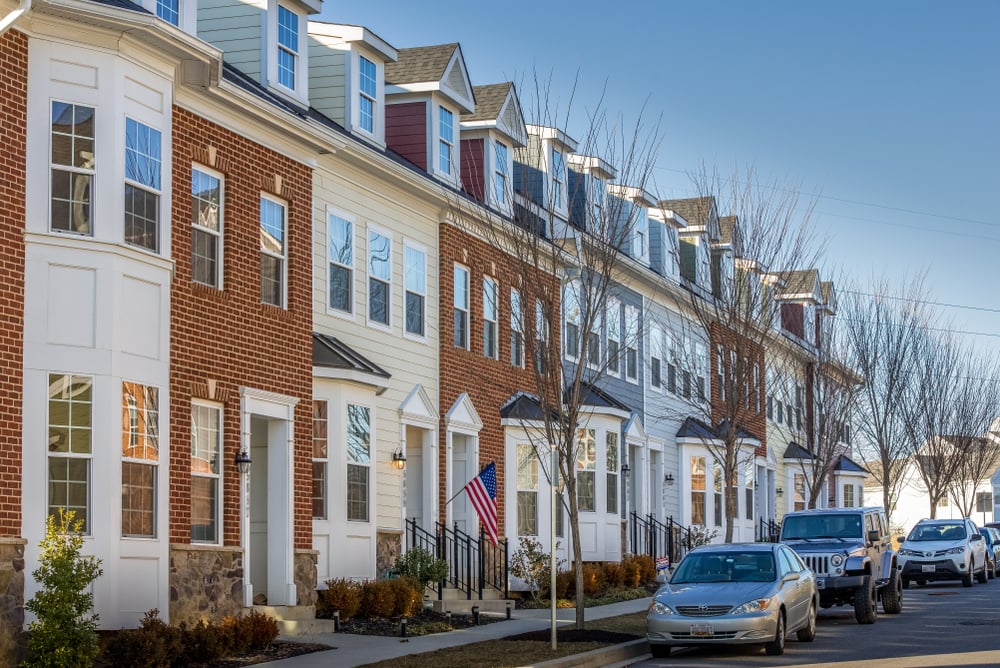
In areas with houses for sale in Bucks County, you're often dealing with narrow rowhomes built into steep hillsides above water features. That means flat roofs, shared party walls, and water that wants to move downhill through your basement. A rubber or modified bitumen roof usually runs $6,000 to $12,000, and hillside drainage work can add $5,000 to $15,000. Parking and permit logistics also make contractor bids a little higher here.
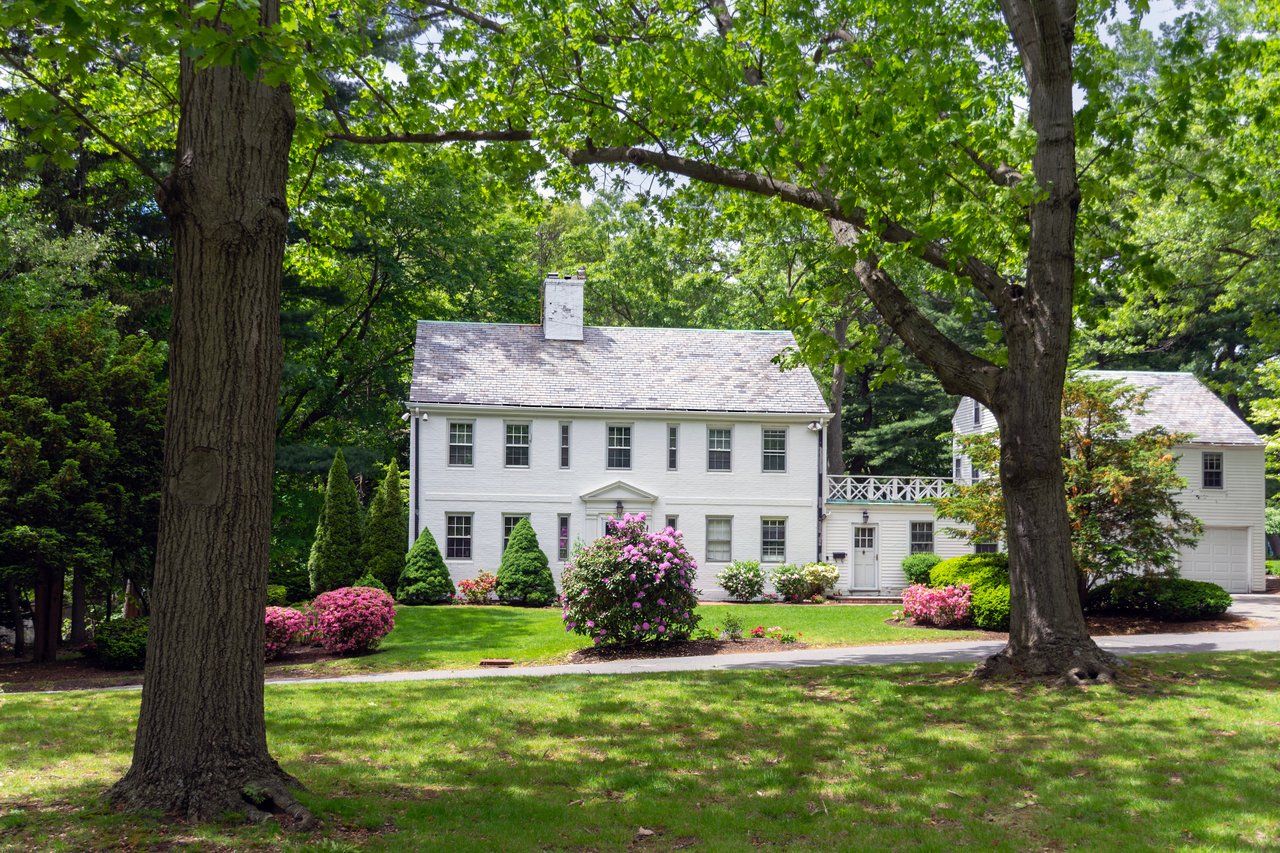
When looking at homes for sale, you're more likely to find stone twins and larger detached houses with slate roofs. Slate is wonderful and expensive. A targeted repair might be $1,500 to $5,000, while a full slate replacement on a large home can reach $40,000 to $80,000. Repointing stone, which these houses need every few decades, typically runs $15 to $35 per square foot of wall surface.
The sequence matters more than people expect. Buyers who get contractor numbers before the inspection deadline negotiate from facts. Buyers who guess end up renegotiating from panic.
Bring a contractor to the second showing. Most will do a walk-through for free or for a small fee, and a 30-minute opinion is worth more than a week of searching cost calculators.
Order specialty inspections. A sewer camera scope costs $200 to $400. A structural engineer's letter runs $500 to $900. Both are cheap compared with what they rule out.
Get three written bids on anything over $10,000. Spreads of 30 to 40 percent on the same scope are common, and the middle bid usually tells you the real number.
Add a 15 to 20 percent contingency. Old houses open up. Something behind the plaster will surprise you.
Phase the work. Safety and water first, systems second, kitchens and baths last. Nobody regrets doing the roof before the backsplash.
If the repair list is long, consider renovation financing instead of draining your savings. An FHA 203(k) loan folds purchase and renovation costs into one mortgage, and Fannie Mae's HomeStyle program does something similar for conventional buyers. Both require licensed contractors and documented scopes, which keeps projects disciplined.
Not every fixer-upper is worth saving. I start getting nervous when the foundation shows stair-step cracking wider than a quarter inch, when the roof has three layers of shingles and active ceiling stains, or when the seller refuses access for a sewer scope.
The other quiet dealbreaker is math. If the purchase price plus repairs lands above what finished comparable sales support, you're funding someone else's renovation. A good agent runs that number with you before you write the offer, not after.
Plan on 10 to 20 percent of the purchase price for a house needing moderate work, and more if systems are original. On a $400,000 home, that's $40,000 to $80,000. Houses built before 1940 with untouched wiring and plumbing often land at the top of that range.
A fixer-upper typically costs 15 to 30 percent less upfront, but the savings shrink once you add labor, permits, and carrying costs. The real advantage is control over finishes and the equity you build if you buy well. Renovated homes make more sense for buyers who can't manage a project or float repair costs.
Order a sewer lateral camera scope, a structural evaluation if you see any cracking, and a chimney inspection on older stone homes. Each runs $200 to $900. Radon testing is also worth the $150 to $250 given how common higher levels are in older regions.
Yes, and credits usually work better than seller-completed repairs. Most negotiated concessions I see fall between $3,000 and $15,000, depending on the findings and how much competition the listing has. Bring written contractor estimates to the conversation, because specific numbers move sellers far more than inspection report language.
If you're evaluating older properties and browsing houses for sale in Manayunk, contact Tabitha Heit today. Send over any listing you have your eye on, and your trusted realtor will walk through it with you to give an honest assessment of what the repair list and renovation budget will actually look like.
Real Estate
Real Estate
Real Estate
Real Estate
Lifestyle
Real Estate
Real Estate
Real Estate
Real Estate
Tabitha offers professional, personalized, and trustworthy real estate service, from start to finish and always holds herself accountable. To provide a fair, fun experience in every transaction, She will go above and beyond to ensure 100% satisfaction with her services.