Beyond the Core: Why Surrounding Suburbs Are Attracting City Transplants
Real Estate
Real Estate
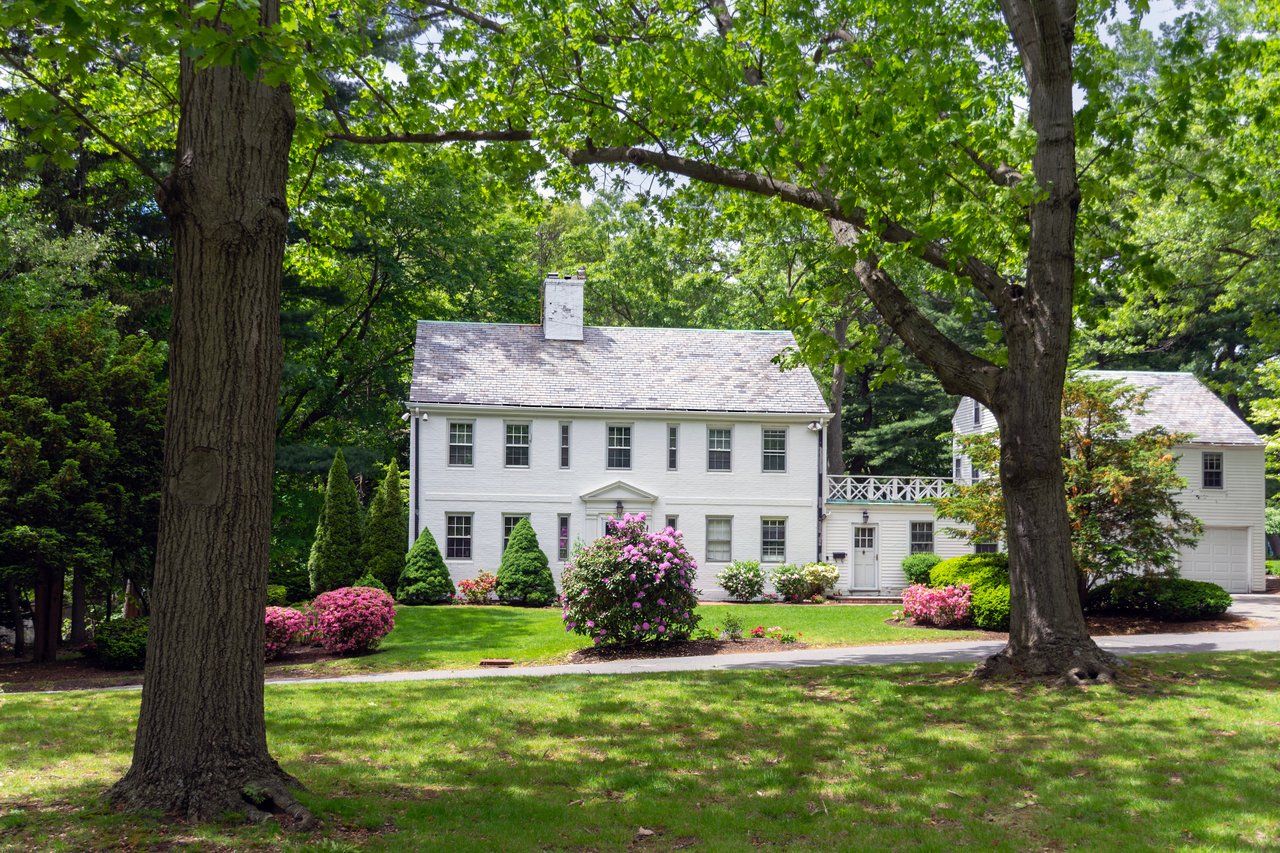
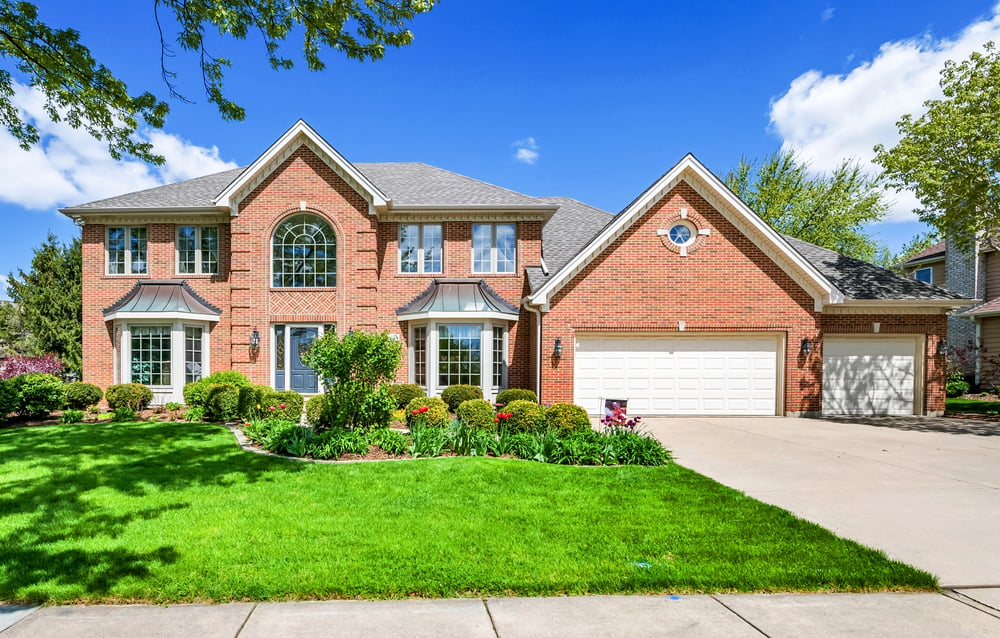
When comparing housing options across regional markets, the value shift between submarkets is eye-opening. A center-hall colonial priced near $1.2 million in one area frequently shares layout and square footage with a home listing farther out in the mid-$500s on double the acreage. It's no surprise that any active realtor sees a steady stream of clients begin their search in premier enclaves before shifting toward surrounding highway corridors. Rather than sacrificing quality of life, these buyers are choosing to maximize their purchasing power once mortgage payments, real estate taxes, and insurance are factored into the bottom line.
Households leaving dense urban neighborhoods have been part of this shift for several years, and the pattern accelerated once hybrid schedules reduced the number of weekly commutes to two or three days. The result is steady demand in communities that older buyer guides rarely mentioned.
Median high-end suburban houses for sale have spent the past several years well above $800,000, and single-family detached listings routinely clear seven figures. Surrounding regions sit far lower, with broader regional medians typically in the high $400s, according to census and recorder data.
The practical effect is a purchasing power swing of roughly 35% to 50% for the same square footage, condition, and bedroom count. A buyer approved for $650,000 is often shopping entry-level ranch homes and dated splits in high-cost ZIP codes, while that same approval opens up renovated four-bedroom homes with finished basements in neighboring suburban developments.
Condition matters more than location at this price point. Many older suburban listings in the $600,000 range carry deferred maintenance on slate roofs, outdated wiring, or legacy electrical panels, while comparable homes built between 1988 and 2005 arrive with newer mechanicals.
Yard size is the single factor former city residents mention most often during second showings. Infill parcels in closer-in suburbs commonly run 0.12 to 0.25 acres, with neighboring homes close enough that a trampoline becomes a negotiation with the people next door.
Move slightly farther out and the math changes:
Outer Subdivisions: Most detached homes sit on 0.25 to 0.50 acres, with cul-de-sac lots frequently larger.
Exurban Communities: Half-acre to one-acre parcels are standard, and some 1990s subdivisions back to preserved farmland.
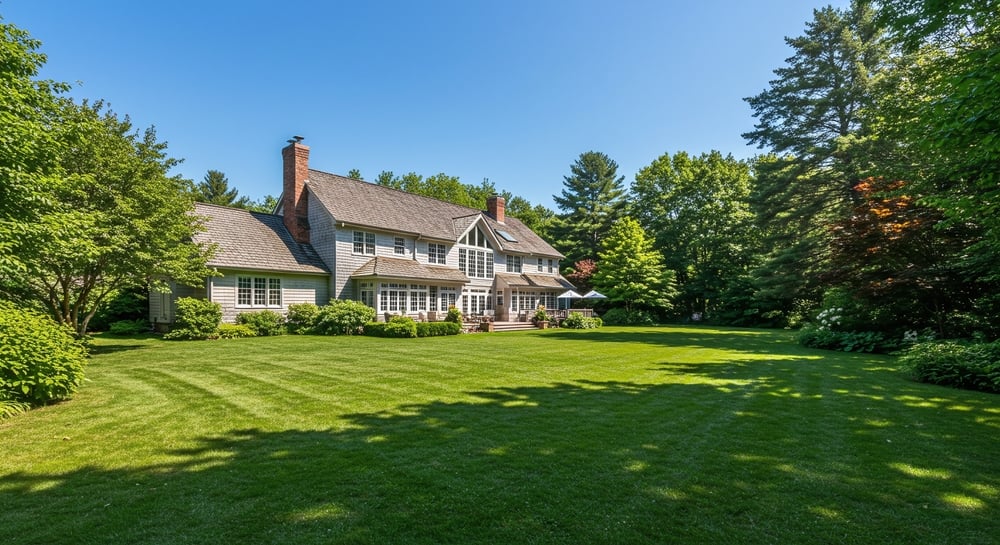
Semi-Rural Outskirts: One to three acres is common, often with detached garages or outbuildings.
Historic Boroughs: Smaller lots of roughly 0.15 acres, traded for sidewalks and a walkable downtown.
Buyers coming from a 16-foot-wide rowhome with a 400-square-foot concrete patio tend to find a quarter acre genuinely major in daily use, even when the house itself is only modestly larger than what they left behind.
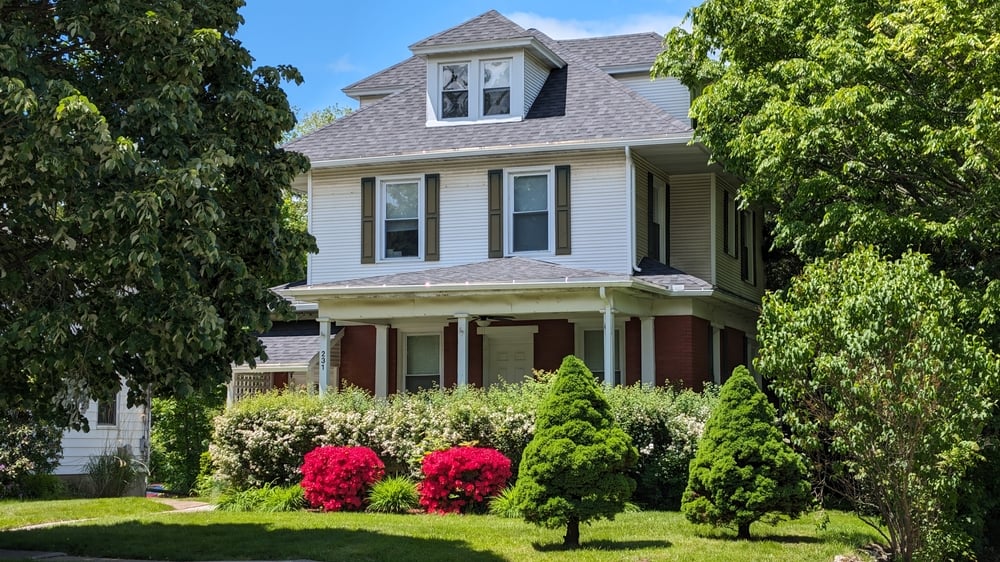
Homes for sale in North Wales, PA pull a disproportionate share of transplant attention because the local mailing area covers two very different housing products under one name. The borough itself holds Victorian twins and early-1900s singles on tree-lined streets near downtown, typically trading between the high $300s and low $500s depending on updates.
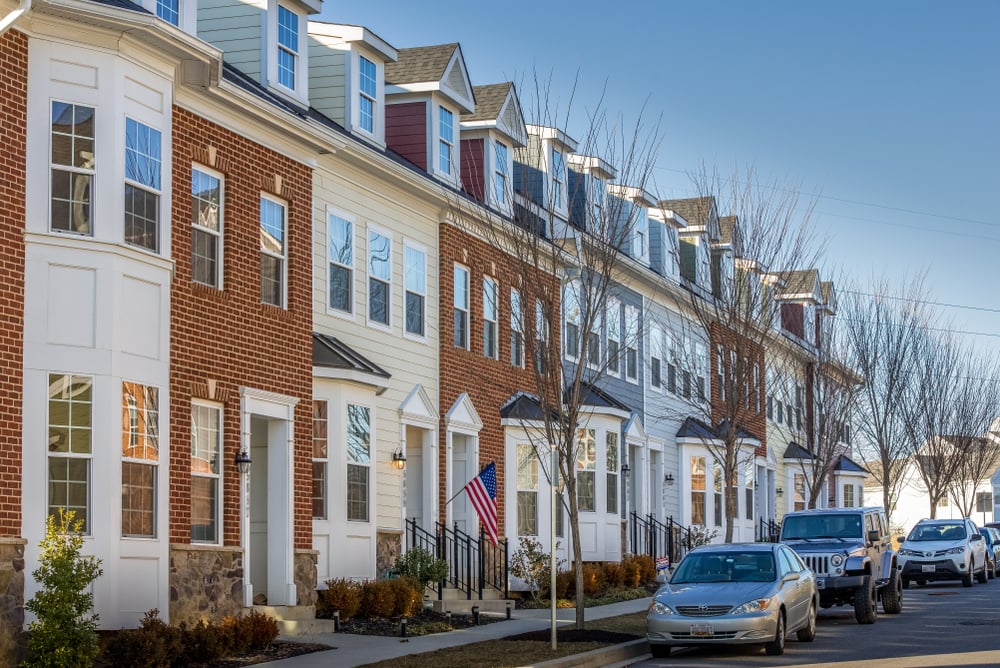
Surrounding municipalities carry the subdivision inventory: four-bedroom colonials from the 1980s and 1990s that generally list from the low $500s to the mid $700s, plus townhome communities in the $375,000 to $475,000 band that attract first-time buyers and downsizers alike.
Weekday life in the area leans practical. Major corporate campuses anchor local employment, retail corridors handle errands, and Sunday mornings fill local farmers markets and nearby trailheads.
Regional rail transit lines are the quiet reason these outlying communities compete for buyers. Commuter trains reach downtown business hubs in roughly 35 to 55 minutes depending on the station boardings.
Drivers rely on expressway interchanges and turnpike connections that put major employment centers 20 to 30 minutes away outside peak periods. Households that commute twice weekly tend to weigh those extra 15 minutes very differently than households commuting five days.
Property taxes combine county, municipal, and school district millage, and the school portion drives most of the bill. A $550,000 home in a mid-tier district commonly carries an annual tax bill in the $7,000 to $9,500 range, while assessments on $900,000-plus properties in premium districts frequently exceed $15,000.
Assessment ratios complicate direct comparisons, since many areas have not reassessed in decades and older homes sometimes carry low assessed values relative to current market prices. Reviewing the actual parcel record before writing an offer prevents an unpleasant surprise at closing.
The social pull of these communities surprises people who assumed outlying suburbs meant chain restaurants and little else. Revitalized downtowns have filled in with craft breweries, performing arts centers, independent theaters, and dense clusters of local dining.
Families gravitate toward regional zoos, nearby watershed trails, parklands, and historic shopping villages. Youth sports programs run deep enough across local districts that most children find a league without a tryout.
Verify the school district by parcel, since mailing addresses often cross multiple district boundaries.
Confirm sewer type, because on-lot septic systems remain common in outer-ring neighborhoods.
Check well water and budget roughly $400 to $700 for complete potability and flow testing.
Review HOA documents in townhome communities, where monthly fees typically run $150 to $350.
Ask about stucco and synthetic masonry history on homes built between 1992 and 2007, and budget for a moisture inspection.
Pull the tax parcel record to see the assessed value rather than relying on a listing estimate.
Buyers typically gain 35% to 50% more house for the same budget once they move outside high-density corridors. A budget that buys a dated three-bedroom in a high-cost area often purchases a renovated four-bedroom colonial on a half-acre in neighboring towns.
Most single-family suburban homes for sale trade between the high $300s and mid $700s, with townhomes generally running $375,000 to $475,000. Borough homes built before 1940 price lower than the 1990s subdivisions in surrounding townships.
Regional train lines cover the commute in roughly 35 to 55 minutes to central stations. Peak-period trains run frequently, and local stations offer permit and daily parking.
Communities with walkable commercial cores, regional rail access, or direct highway connections draw the heaviest interest from city transplants looking to keep occasional office commutes manageable.
Rarely, because the lower purchase price and lower assessed value usually outweigh any millage difference. Total annual tax bills in mid-ring districts commonly land several thousand dollars below comparable high-end markets.
Partnering with an experienced local agent makes all the difference when navigating today's market. Tabitha Heit works these communities daily and provides parcel-level tax, school district, and utility details on any listing before you even schedule a showing.
Simply share your budget and commute target with Tabitha, and she will send over a curated shortlist of realistic, high-value home options within 24 hours. Contact Tabitha Heit today, a trusted realtor in Montgomery County, PA, to help you search for your dream home!
Real Estate

Real Estate
Real Estate
Real Estate
Lifestyle
Real Estate
Real Estate
Real Estate
Real Estate
Tabitha offers professional, personalized, and trustworthy real estate service, from start to finish and always holds herself accountable. To provide a fair, fun experience in every transaction, She will go above and beyond to ensure 100% satisfaction with her services.