Are you buying a home in Chestnut Hill and wondering if title insurance is worth it? You are not alone. Between the historic nature of many Philadelphia homes and the steps to close, it can feel complex. This guide explains what title insurance covers, why lenders require it, how costs work in Pennsylvania, who typically pays in our market, and the simple steps to keep your closing smooth. Let’s dive in.
What title insurance is
Title insurance protects you from losses caused by problems with a home’s title that existed before you bought it. Unlike homeowners insurance, which covers future events, title insurance looks backward at past defects. It is designed to defend your ownership and help pay covered losses if a problem surfaces later.
What it covers and what it does not
Title insurance typically covers issues that were missed or not visible in public records at the time of closing. Common covered risks include:
- Errors in public records, including recording or indexing mistakes
- Unknown liens or judgments, such as unpaid contractor or municipal bills
- Forgery or fraud in the chain of title
- Undisclosed or missing heirs who later claim an interest
- Certain survey mistakes or boundary disputes when endorsed
Title insurance usually does not cover:
- Problems that arise after the policy date without a specific endorsement
- Zoning or building code violations unless endorsed
- Known defects you agreed to accept in writing
- Issues you create or consent to after you own the property
Owner policy vs. lender policy
There are two types of title insurance policies:
- Lender’s policy. Your lender almost always requires this. It protects the lender’s interest up to the loan amount and ends when the loan is paid off.
- Owner’s policy. This protects your equity and legal ownership for as long as you or your heirs own the home. It is optional, but it is generally recommended.
Put simply, the lender’s policy protects the bank. The owner’s policy protects you.
How it works in Pennsylvania
In Pennsylvania, you pay a one-time premium at closing. There is no annual renewal. The owner’s policy typically lasts as long as you or your heirs own the property.
Title companies and often attorneys handle key steps here. They run a title search, issue a title commitment, clear issues that can be cured, and prepare your closing documents. You will see a list of exceptions in the title commitment. Exceptions are items the policy will not cover, such as recorded easements or utility rights-of-way. Ask the title company which exceptions can be cleared or whether endorsements can expand coverage.
Endorsements are add-ons for specific risks. Common options include survey or encroachment coverage, zoning-related endorsements, and gap coverage that protects during the short period between commitment and recording.
Chestnut Hill specifics to watch
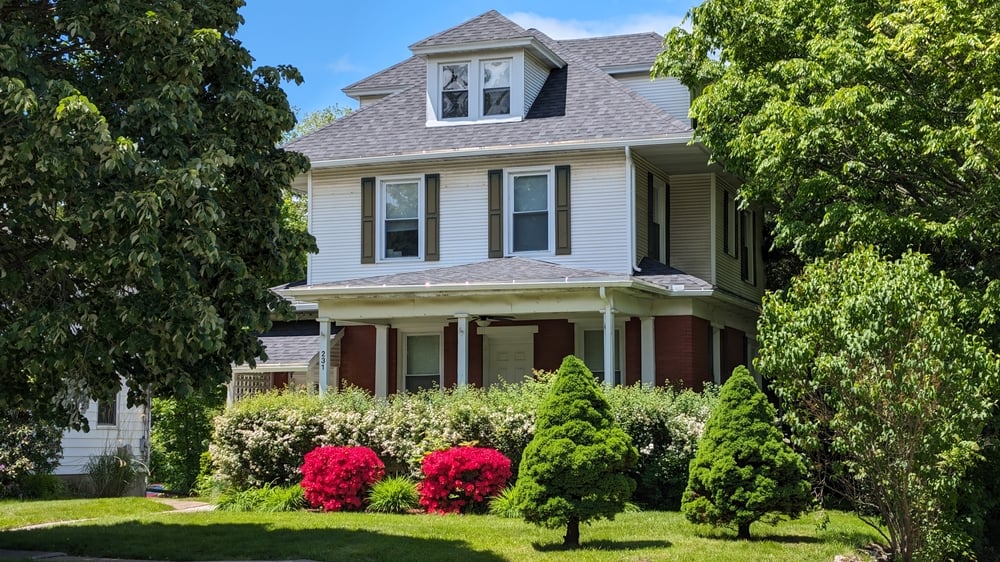
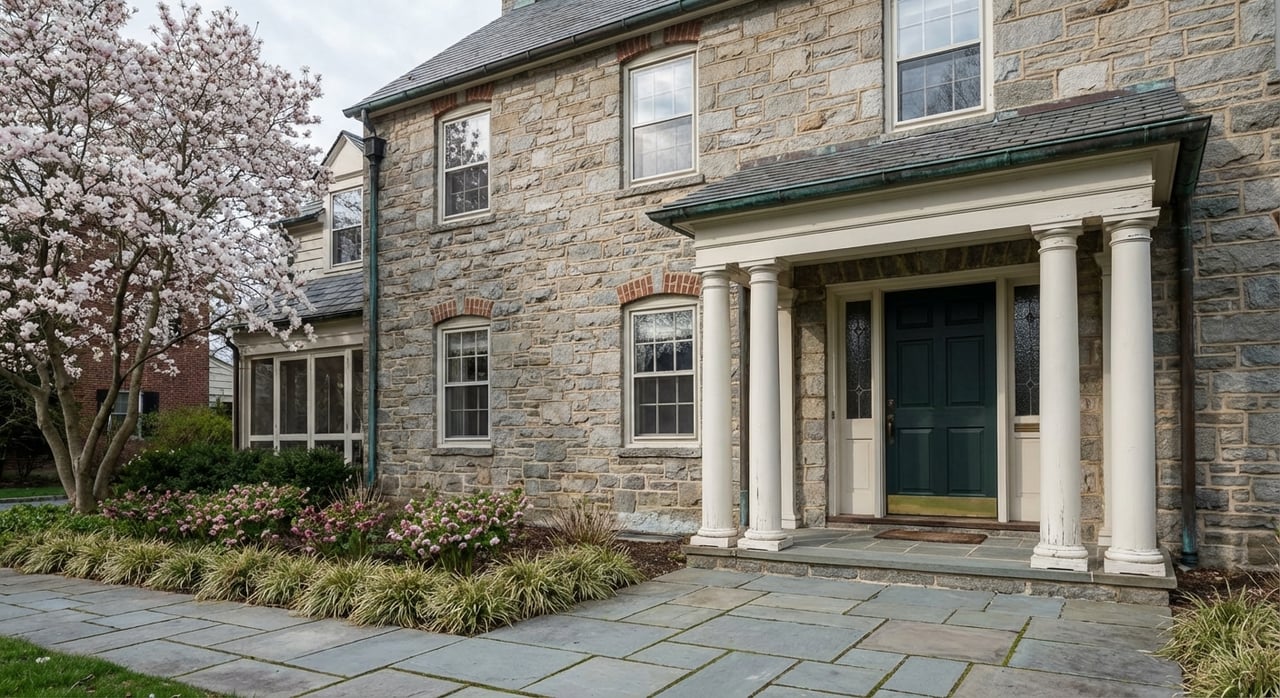
Chestnut Hill and nearby Philadelphia neighborhoods include many older and historic homes. That can mean more complex title histories. Items to review closely include:
- Unpaid city taxes, water or sewer charges, and other municipal liens
- Street or paving assessments that may affect costs
- Historic district or conservation easements that limit exterior changes
- Unrecorded or older easements that affect access or use
Because older lots can have boundary quirks, a survey review and a survey or encroachment endorsement can be helpful. Ask the title company what they recommend for the specific property you are buying.
Costs in PA and who pays
Title insurance premiums in Pennsylvania are typically based on the purchase price for an owner’s policy and on the loan amount for a lender’s policy. You pay the premium once at closing. If you buy both policies, there are two premiums. The lender’s policy is usually lower because it covers only the loan balance.
For a simple illustration, if an owner’s premium were around four-tenths of one percent of the purchase price, a $500,000 home could have an owner’s premium of about $2,000. A lender’s policy on a $400,000 loan might cost a fraction of that. Actual rates vary by company, endorsements, and filed rate schedules, so request a local quote before you write your offer.
Who pays the premium is negotiable in Pennsylvania. In the Philadelphia area, sellers have often paid for the owner’s policy, but this is not guaranteed. The buyer typically pays for the lender’s policy since the buyer’s loan requires it. Whatever you agree to, make sure your purchase agreement clearly states who is paying each premium to avoid closing-day surprises.
Factors that affect your premium include:
- Purchase price and loan amount
- State-filed or company rate schedules
- Endorsements you choose
- Reissue or reinsurance credits if a recent policy exists on the property
Your closing-day checklist
Use this simple timeline to stay organized.
Before you make an offer
- Ask your agent about local custom for who pays the owner’s policy in Chestnut Hill.
- Request a ballpark title quote from a local title company to plan your closing costs.
After contract acceptance
- Read the title commitment, including the exceptions and requirements.
- Ask about endorsements that fit older Philadelphia homes, such as survey or encroachment coverage and zoning-related options.
- Confirm all municipal liens, taxes, and assessments will be cleared or accounted for on your Closing Disclosure.
On closing day
- Confirm the title company and the attorney handling settlement.
- Verify which policies you are buying and who is paying each premium on the Closing Disclosure.
- Ask the closer to walk through any remaining exceptions and endorsements.
- Keep your owner’s policy in a safe place, and share a copy with your attorney or planner.
Simple examples
Here are two quick scenarios to show how costs can be structured.
Example A: Seller pays owner’s policy
- Purchase price: $400,000
- Buyer obtains a mortgage. The lender requires a lender’s policy. The buyer pays the lender’s policy premium. The seller pays the owner’s policy premium as negotiated in the agreement.
Example B: Buyer pays both policies
- Purchase price: $350,000
- The buyer negotiates a lower price and agrees to pay both the owner’s and lender’s policy premiums to streamline closing. The buyer gets a full quote from the title company to estimate total costs.
Smart next steps for Chestnut Hill buyers
- Ask your agent to connect you with a reputable local title company for an early quote and timeline.
- Include a clear title insurance clause in your offer that states who will pay the owner’s and lender’s premiums.
- If the home is in a historic district, review any restrictions that could affect future renovations. These are not title defects but they do affect use and planning.
- Keep your owner’s policy after closing. Share a copy with your attorney or estate planner so it is easy to find if a question comes up in the future.
If you want help estimating closing costs, reviewing your title commitment, or planning a clean closing in Chestnut Hill, reach out to The Heit Homes Group. For personal guidance start to finish, connect with Tabitha Heit to Schedule Your Local Market Consultation.
FAQs
What does title insurance cover for a Chestnut Hill home?
- It protects against past title defects, such as recording errors, unknown liens, fraud, or undisclosed heirs, and can include survey or encroachment coverage with endorsements.
Do I need an owner’s policy if my lender requires one?
- Yes, the lender’s policy only protects the lender’s loan. An owner’s policy protects your equity and ownership for as long as you or your heirs own the home.
Who usually pays for the owner’s policy in Philadelphia?
- It is negotiable. Sellers have often paid the owner’s policy in the Philadelphia area, but not always. Confirm custom early and put the agreement in writing.
How much does title insurance cost in Pennsylvania?
- Premiums are one-time and based on the purchase price and loan amount. Endorsements can add cost. Request a local title quote for accurate figures.
Will title insurance cover zoning or code violations?
- Not usually. Some limited protection may be available through endorsements, but many zoning or code issues are outside standard coverage.
Can title problems be fixed before closing?
- Many can, including recorded liens and unpaid taxes. More complex issues, such as disputed heir claims, may require time or legal action and could be excluded from coverage.