Leave a Message

Thank you for your message. We will be in touch with you shortly.

Ambler Condo Vs. Townhome Vs. Single-Family Homes
Ambler Condo Vs. Townhome Vs. Single-Family Homes

Trying to decide between a condo, a townhome, or a single-family home in Ambler? You are not alone. Each option offers different tradeoffs in price, maintenance, financing, and lifestyle, especially around Ambler’s walkable downtown and SEPTA station. In this guide, you will learn how each property type works, what to expect for ongoing costs, and how to match your choice to how you want to live. Let’s dive in.

Quick definitions that matter

Condos in Ambler

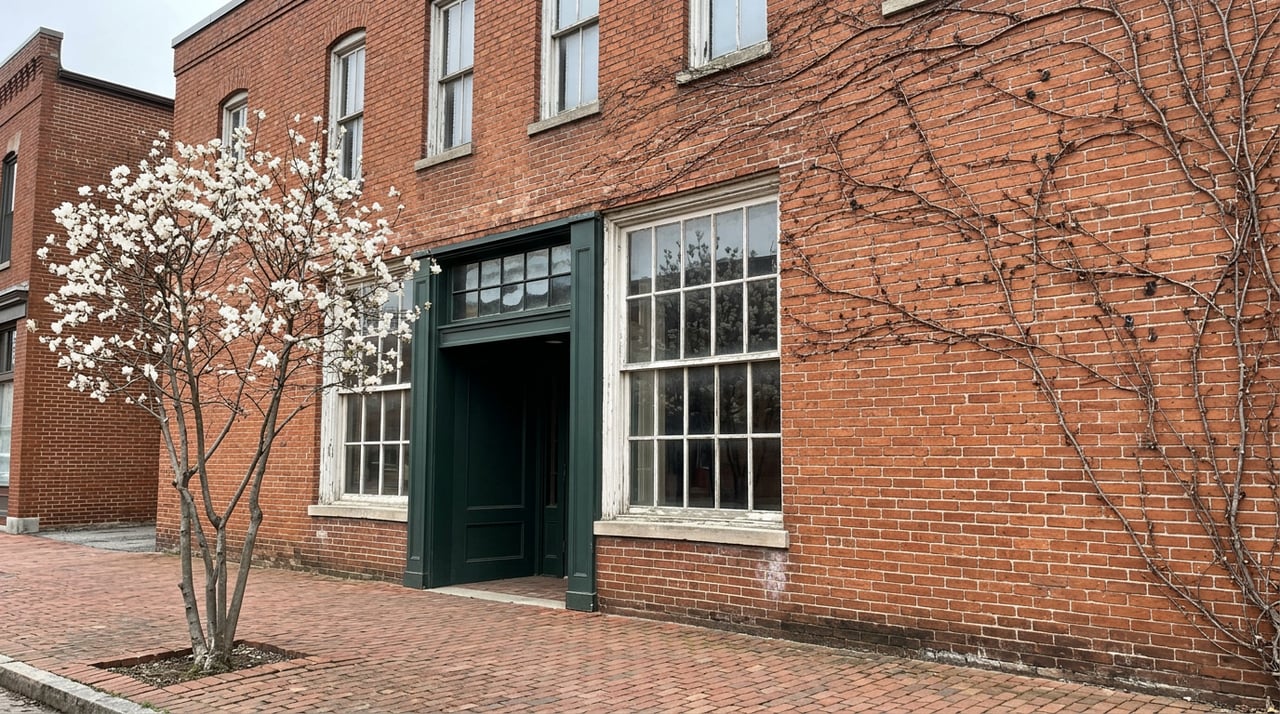
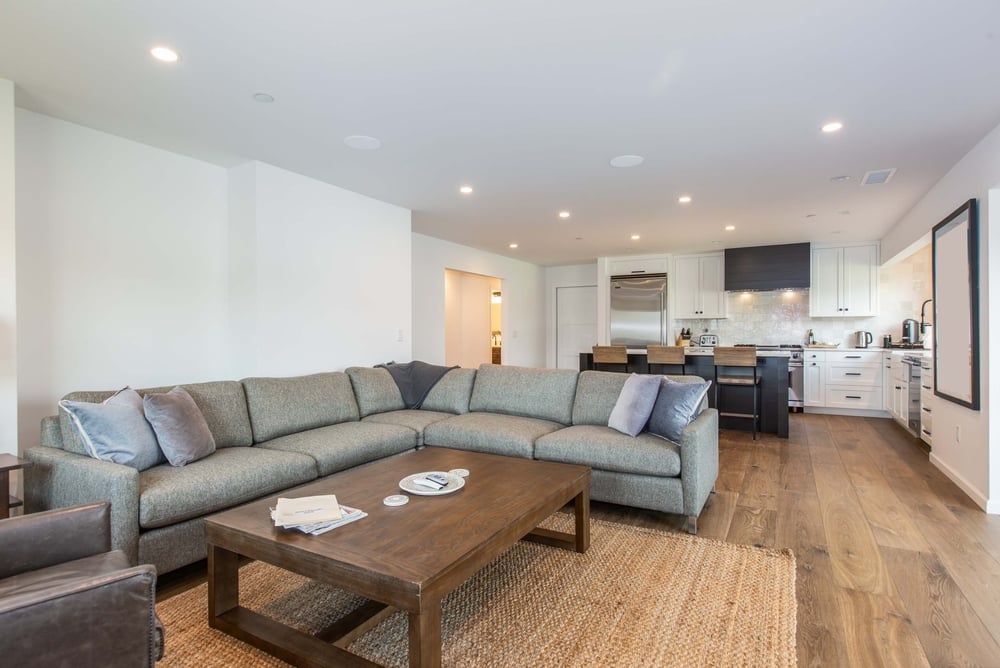
Condominiums give you ownership of the interior of your unit while you share ownership of common areas through an association. In Ambler, you will see condo conversions in historic buildings near Main Street, purpose-built low-rise communities, and newer mixed-use options close to the train. Condos tend to offer lower exterior maintenance and a more affordable entry price compared with many detached homes, but you will have monthly association dues and rules to follow.

Townhomes in Ambler

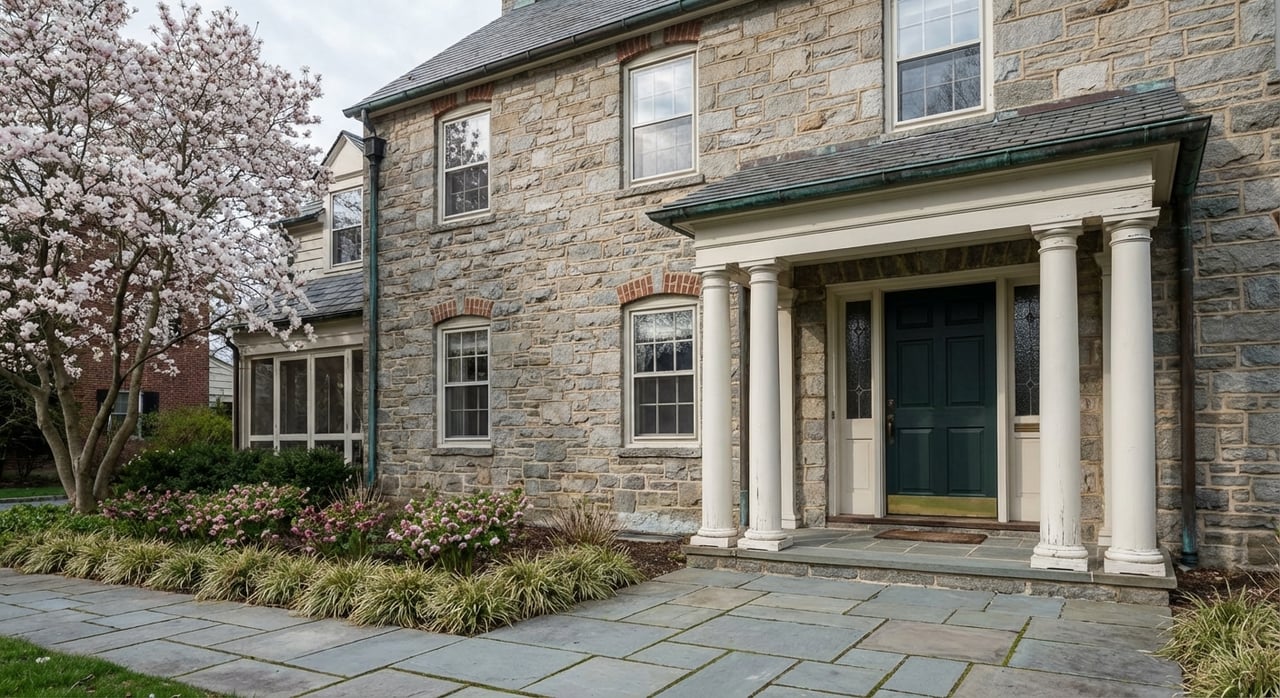
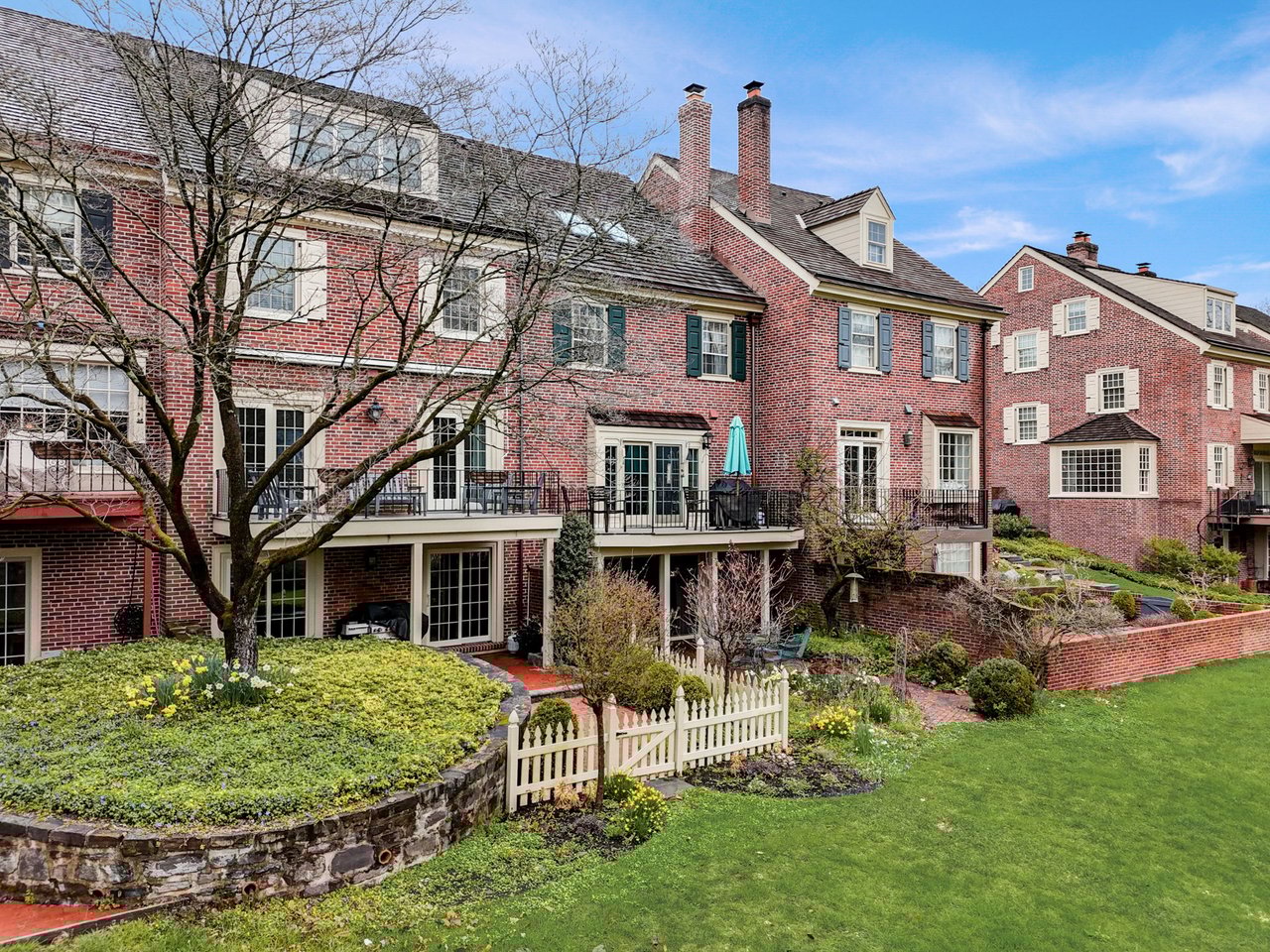
Townhomes are typically fee simple ownership of the home and the ground beneath it, often with an HOA that maintains some exterior elements or shared areas. Around Ambler, you will find older twins and rows in the borough and newer attached developments just outside the core. Townhomes give you more space and often a small yard compared with condos, with less exterior responsibility than many detached homes if the HOA covers items like the roof or siding.

Single-family homes in Ambler

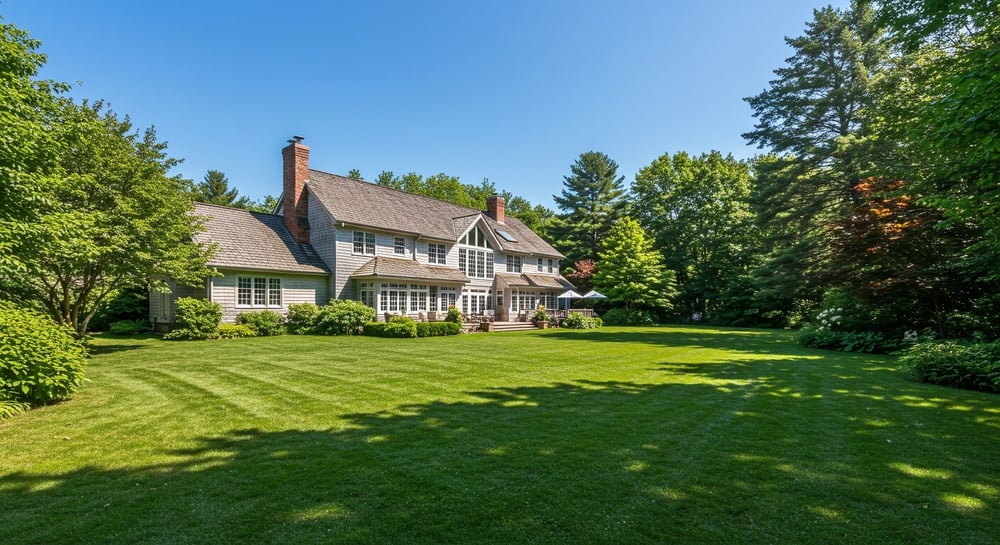
Single-family detached homes are fee simple ownership of the house and the lot. In Ambler and nearby townships, you will find a mix of older Victorian and Colonial styles, ranches, and newer subdivisions. You get maximum control, privacy, and yard space, along with full responsibility for exterior and structural maintenance.

Costs: upfront vs ongoing

Choosing the right type starts with the true monthly and annual cost, not just the list price.

  • Condos: Expect monthly HOA dues, unit utilities, property taxes, and an HO-6 insurance policy. Dues typically cover exterior maintenance, landscaping, common areas, and a master insurance policy. They can rise and may include special assessments for large projects. Always verify what dues cover before you buy.
  • Townhomes: HOA dues vary widely. Some associations include roof and exterior coverage, others do not. You will carry homeowners insurance tailored to what the HOA master policy covers. Plan for some exterior upkeep and grounds care.
  • Single-family: You will likely have no HOA dues. Budget for full exterior maintenance, landscaping, snow and leaf removal, and an HO-3 homeowners policy. Property taxes and utilities may be higher than attached options.

Property taxes in Montgomery County include municipal, county, and school district millage. Rates vary by specific location. Always confirm the parcel’s tax record before committing to a budget.

Financing and insurance basics

  • Condos: Many lenders look for project approvals from Fannie Mae, Freddie Mac, or FHA for certain loan types. Even without a project approval, conventional financing can be possible, but underwriting may be stricter. You will typically carry an HO-6 policy for your unit interior and contents, coordinated with the association’s master policy.
  • Townhomes: If the property is fee simple and not part of a condominium regime, financing often mirrors single-family underwriting. Insurance depends on the HOA’s master policy scope and your exterior responsibilities.
  • Single-family: Standard loan programs generally apply. Insurance is typically an HO-3 policy covering the full structure and your contents.

Tip: Ask for the condo or HOA’s master insurance certificate and bylaws early, then speak with a local insurance agent to estimate premiums and coverage gaps.

Lifestyle fit in Ambler

Walkability and transit

If you want a low-maintenance setup near restaurants, arts, and the SEPTA Ambler station on the Lansdale/Doylestown Line, condos and some townhomes near Main Street can be a strong match. Proximity to the station is a driver of demand for attached housing. Verify train schedules to ensure the commute cadence works for you.

Space, privacy, and outdoor use

If you value a larger yard, privacy, and the freedom to modify your home, single-family options in surrounding townships may fit best. Townhomes can be a practical middle ground that offers a private entrance, multiple levels, and small outdoor areas without full yard obligations.

Historic homes and permits

Ambler’s older homes can offer character and larger lots, but renovations may require municipal permits or review if located in a historic area. Older systems, such as electrical, plumbing, windows, or roofing, may need updates. Build both time and reserves into your plan if you choose a historic property.

Parking and daily convenience

Attached homes near the borough core may have limited parking and smaller storage areas. Detached homes in nearby neighborhoods often come with driveways, garages, and more storage. Confirm on-street parking rules and any HOA parking policies before you buy.

Resale and rental considerations

  • Condos: Walkable locations near amenities and transit often see steady demand, particularly for buyers seeking convenience. Associations may cap rentals or set lease terms, so review rental rules if future flexibility matters.
  • Townhomes: These can appeal to buyers balancing space with manageable upkeep. Resale value can hinge on HOA health, exterior maintenance coverage, and parking.
  • Single-family: Larger lots, garages, and privacy are long-standing value drivers. Costs to maintain or update older systems can affect net returns, so keep up with major components to support resale.

HOA strength matters. Review budgets, reserve studies, meeting minutes, and any recent special assessments. Healthy reserves reduce risk of surprise costs for owners.

Where these homes cluster

Downtown and near the station

Expect more condos and attached options, including conversions of historic buildings and modern mixed-use properties. Walkability is a key feature, with quick access to Main Street dining, local arts, and community events.

Inside the borough

You will find older single-family homes and twins or rows on tree-lined blocks. Parks along the Wissahickon Creek and community venues like the Ambler Performing Arts Center enhance the local lifestyle. Verify any renovation guidelines with the borough if you plan updates.

Around the borough in nearby townships

On Ambler’s edges, including areas of Upper Dublin and neighboring townships, you will see newer single-family subdivisions and some townhome communities. For car commuters, access to PA-309 and I-476 is a practical consideration.

Buyer checklist for Ambler

Use this list to compare specific properties side by side:

  • Current list price and recent comparable sales for similar homes.
  • Monthly HOA dues, exactly what they cover, reserve study, and any pending or recent special assessments.
  • HOA bylaws and rules, including pets, rentals, parking, and renovation approvals.
  • Insurance details, including the HOA master policy scope, then price your HO-6 or HO-3 coverage with an agent.
  • Property tax history for the parcel and any local fees that affect ownership costs.
  • School attendance boundaries for the specific address. Boundaries can change, so confirm with the district.
  • Distance to the Ambler station and your typical train schedule. Drive times to PA-309 and I-476 if you commute by car.
  • Zoning and historic district requirements relevant to your property plans.
  • Floodplain status and any flood insurance requirements.
  • Recent days on market and inventory levels to understand negotiating leverage.
  • Condition and age of major systems: roof, HVAC, electrical, windows, and sewer or septic.

Seller tips by home type

  • Condos: Lead with walkability and access to transit, dining, and arts. Prepare a clean package of HOA documents, including the budget, reserves, insurance summary, and any recent assessments. Be ready to explain what dues cover.
  • Townhomes: Highlight any HOA-covered exterior items and low-maintenance benefits, along with private entries, parking, or outdoor space. Clarify rules on pets and rentals to reduce buyer uncertainty.
  • Single-family: Showcase yard, garage, storage, and privacy. Provide a maintenance log and recent system updates. If the home is older, proactive inspections and key repairs can support pricing and speed to contract.

How to choose with confidence

Map your must-haves to the costs and responsibilities each type brings. If you want low maintenance and a short walk to the train, a condo or townhome near the borough core could be a fit. If you want privacy, yard space, and maximum control, a single-family home in surrounding townships may suit you better. The right answer is the one that aligns with your budget, commute, and daily routine.

When you are ready to compare specific properties and HOAs, schedule a local consultation. The Heit Homes Group brings neighborhood-level insight, clear guidance, and full-service support so you can buy or sell with confidence.

Ready to get started? Schedule Your Local Market Consultation with Tabitha Heit.
FAQs

What is the key difference among condos, townhomes, and single-family homes in Ambler?

  • Condos involve owning the interior of a unit with shared common areas through an association, townhomes are typically fee simple with possible HOA oversight, and single-family homes include full ownership of the structure and lot.

How do HOA fees impact my monthly budget in Ambler?

  • HOA dues add to your total cost and may cover exterior maintenance, landscaping, amenities, and a master insurance policy, so always verify inclusions and review reserves and any special assessments.

Is financing a condo harder than a townhome or single-family home?

  • Some lenders require condo project approvals for certain loans and may apply stricter underwriting, while fee simple townhomes and single-family homes often follow standard guidelines.

Are there historic or permitting rules for older Ambler homes?

  • Yes, older and historic properties may require permits or additional review for renovations, so check local zoning and any historic district requirements before planning updates.

Does proximity to the Ambler SEPTA station affect value or demand?

  • Homes closer to the station often see strong demand from buyers who value transit access and walkability, especially condos and townhomes near the borough core.

What documents should I review before buying into an HOA in Ambler?

  • Request bylaws, rules and regulations, budget, reserve study, recent meeting minutes, insurance certificates, and a history of any special assessments to understand costs and restrictions.

Work With Tabitha

Tabitha offers professional, personalized, and trustworthy real estate service, from start to finish and always holds herself accountable. To provide a fair, fun experience in every transaction, She will go above and beyond to ensure 100% satisfaction with her services.