Competing for a home in Roxborough can move fast, and the fine print in your offer can make or break the deal. If you understand buyer contingencies, you can protect your budget while still writing a strong, local-ready offer. In this guide, you’ll learn what each contingency does, common timelines in Pennsylvania, and how to tailor your strategy for rowhomes, twins, and condos in Roxborough. Let’s dive in.
What contingencies do
Contingencies are contract clauses that give you time to verify key details and a clear path to renegotiate or cancel if something material changes. In Pennsylvania, buyers and sellers typically use PAR forms, where every deadline and option must be written into the agreement. If you waive a contingency or miss a deadline, you can lose your earnest money and weaken your position.
Contingencies are negotiable. In competitive moments, sellers favor fewer contingencies or shorter timelines. Your goal is balance: enough protection to avoid costly surprises while keeping your offer attractive.
Inspection contingency
What it covers
An inspection contingency gives you a set window to hire inspectors, review findings, and submit a written request for repairs, credits, a price change, or cancellation. Scope often includes a general home inspection and, if needed, specialists such as roof, foundation, radon, chimney, HVAC, pest, or mold. Condo buyers also review association documents.
Typical timelines
- Competitive settings: 7 to 10 days is common.
- Less competitive settings: 10 to 14 days is typical.
All timelines are negotiated and must be in the contract.
Negotiation options
- Shorten the inspection period to 5 to 7 days to strengthen your offer.
- Keep a longer window, up to 14 days, if you need multiple specialist inspections.
- Make an as-is offer with an informational inspection only. This is higher risk because you cannot demand repairs or cancel based on the report.
- Consider a pre-offer inspection on select properties if access is possible.
Roxborough-specific risks
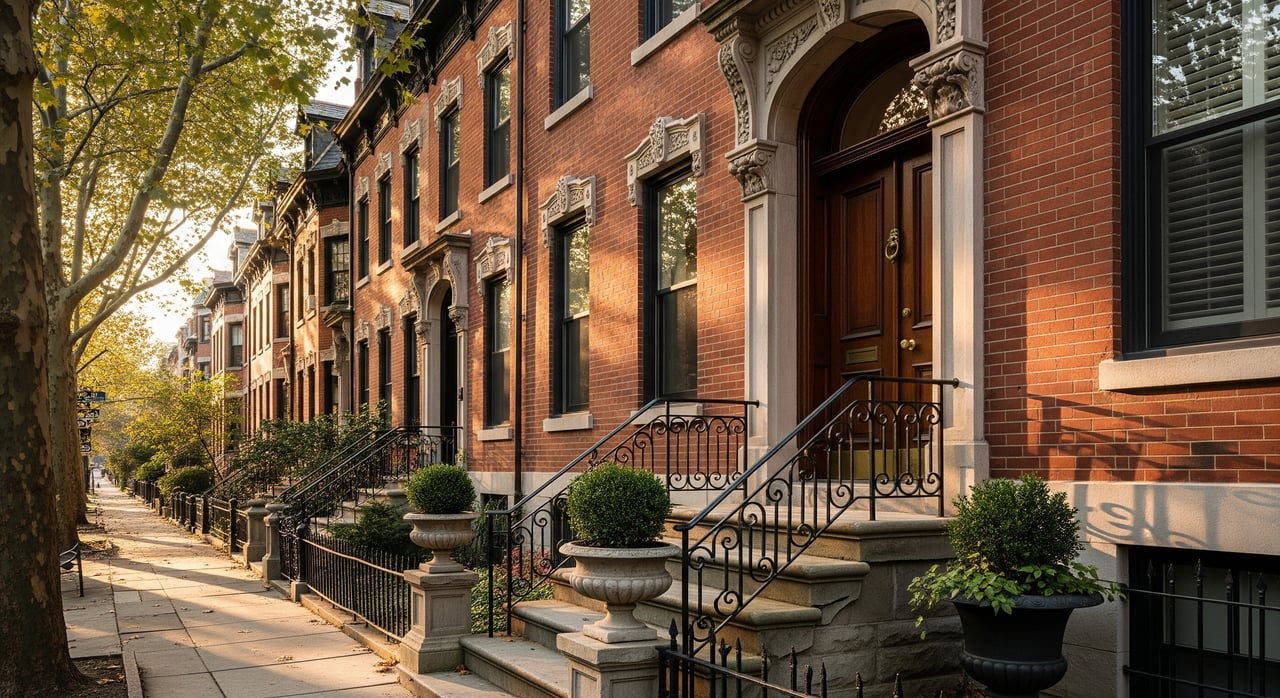
Roxborough’s older rowhomes and twins can hide deferred maintenance. Pay close attention to roofs, foundations, basement water, electrical systems including potential knob-and-tube, plumbing, brick or block repointing, and party-wall conditions. Order key specialist inspections early so you can act within your window.
Appraisal contingency
Why it matters
If you finance the purchase, your lender usually requires an appraisal. An appraisal contingency protects you if the valuation comes in below the contract price. Your options then include renegotiation, paying the difference, or canceling if the contingency allows it.
Timing and options
- Appraisals typically occur during the loan process and align with your financing contingency timeline.
- Full appraisal contingency: you can cancel if the seller will not adjust and the value is short.
- Appraisal gap coverage: you agree to cover a set amount or percentage over the appraised value. This can make your offer stronger, but it increases your cash risk.
- Waiver: you can waive the appraisal contingency to compete, but the lender may still require an appraisal. If the value is low, you would need to bridge the gap in cash.
Local risk and mitigation
Appraisals can be challenging when nearby sales are limited or homes are unique, including some converted rowhomes and condos. If you use gap coverage, cap your exposure and confirm your cash reserves.
Financing contingency
What it protects
A financing or mortgage contingency allows you to cancel and recover your earnest money if you cannot obtain the specified loan by a certain date. You agree to act in good faith with your lender and provide documents on time.
Typical timelines
- Common range to secure loan commitment: 21 to 30 days, depending on lender and loan type.
- Pre-approval strengthens your offer and is usually submitted with proof of funds.
Ways to strengthen
- Shorten the financing window if your lender can move quickly.
- Keep a standard timeframe if your loan is complex, such as FHA or VA.
- Tie the financing contingency to appraisal and clear title, as appropriate.
Waiving financing while relying on a mortgage is very risky. If the loan falls through, your deposit is at stake.
Home-sale contingency
How it works
A home-sale contingency makes your purchase dependent on selling your current home by a set date. It helps with timing, but sellers often view it as weaker in competitive markets.
Common structures
- Simple contingent: you must sell by a specified date.
- Kick-out clause: the seller can keep marketing the property. If they get another acceptable offer, you may have 48 to 72 hours to remove your contingency or be released.
- Bridge solutions: financing or rent-back strategies can reduce or avoid a home-sale contingency.
Timelines and tips
- Typical windows range 30 to 60 days.
- Strengthen your position with realistic dates and a meaningful earnest deposit.
Condo document review
What to review
Condo buyers should add a document review contingency. Key items include bylaws, declarations, budget, reserve studies, board or association minutes, insurance, and any pending or recent special assessments. Review leasing rules, pet policies, and parking as well.
Timing and decisions
- Typical review period: 7 to 14 days, often aligned with the inspection period.
- If documents reveal material issues like low reserves, litigation, or upcoming assessments, you can negotiate or cancel.
Tailor by property type
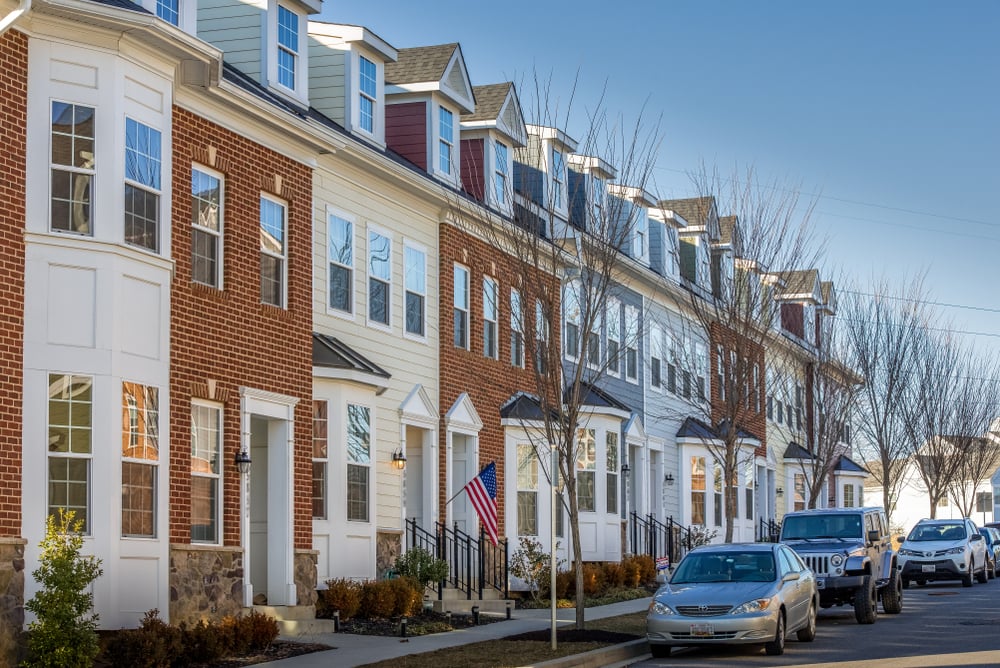
Rowhomes
- Risks to prioritize: party walls, roofs and gutters, basement water, older mechanicals, electrical wiring, lead-based paint for pre-1978 homes.
- Strategy: keep the inspection contingency and line up key specialists early. In multiple-offer moments, consider a 7 to 10 day window and a modest appraisal gap only if you have reserves.
Twins
- Additional concerns: shared wall and roofline responsibility and any past neighbor disputes.
- Strategy: clarify inspection rights for structural and party-wall items. If you are financing, keep a firm 21 to 30 day mortgage window. A small, capped appraisal gap can help in tight scenarios.
Condos
- Focus areas: association finances, reserves, special assessments, insurance coverage and deductibles, rental limits, pet rules, and parking.
- Strategy: include a 7 to 14 day document review. For newer condos, you can keep a shorter general inspection but do not shortcut the document review.
Strategy by market conditions
- Hot seller market: shorten inspection and financing periods, consider a limited appraisal gap, and avoid a home-sale contingency or use a short kick-out window.
- Balanced market: use standard timelines. Be flexible on repairs with credits if that keeps momentum.
- Buyer’s market: extend timelines for deeper inspections and financing, and consider asking for credits where issues arise.
Sample clause ideas
Use your agent and attorney to place exact language into PAR forms. Here are plain-language concepts you can tailor:
- Inspection: Buyer has a set number of days to complete inspections and provide written notice. Buyer may request repairs or credits, or cancel and receive earnest money back if not satisfied within the timeframe.
- Appraisal gap: If the appraisal is below the contract price, Buyer will cover up to a specified dollar amount of the difference. If the shortfall exceeds that amount, Buyer may cancel within a set number of days.
- Financing: Buyer will obtain a loan commitment within a set number of days and act in good faith. If financing is denied within that period, Buyer may cancel and receive earnest money back, subject to documentation.
- Home-sale with kick-out: Purchase is contingent on Buyer selling their home by a set date. Seller may continue to market. If Seller accepts another offer, Buyer has a defined number of hours to remove the contingency or the contract ends.
Local notes to remember
- PAR forms: every contingency and deadline must be written into the agreement.
- Attorneys: in Pennsylvania, attorneys commonly handle title and settlement. Involve one early for contract review and closing details.
- Earnest money: missing a deadline or waiving a key protection can put your deposit at risk.
- Lead paint disclosure: required for homes built before 1978. Review any available reports from the seller.
- Closing costs and taxes: Philadelphia closing costs and municipal taxes vary. The allocation between buyer and seller is negotiable in the agreement.
Your next steps
- Get a strong lender pre-approval and gather proof of funds for your deposit and any appraisal gap you are comfortable covering.
- Discuss inspection priorities for the specific property type, and schedule specialists early to hit your deadline.
- Set realistic timelines: inspection 7 to 14 days, mortgage 21 to 30 days, condo documents 7 to 14 days.
- If you must sell to buy, decide whether a kick-out clause or bridge solution fits your risk tolerance.
- Align your offer terms with current Roxborough conditions so you protect your budget without overexposing your deposit.
Ready to tailor a winning strategy for a Roxborough rowhome, twin, or condo? Schedule your Local Market Consultation with Tabitha Heit for step-by-step guidance and negotiation support from contract to keys.
FAQs
What are buyer contingencies in Philadelphia contracts?
- They are contract clauses that create deadlines and options to inspect, appraise, secure financing, or sell an existing home before you are fully committed.
How long are inspection and mortgage timelines in Roxborough?
- Inspection windows often run 7 to 14 days, and mortgage commitment periods commonly span 21 to 30 days, depending on lender and loan type.
What is an appraisal gap clause for Roxborough buyers?
- It is an agreement to cover a set dollar amount above a low appraisal to keep the deal alive, which strengthens your offer but increases your cash risk.
Are home-sale contingencies competitive in Roxborough now?
- Sellers prefer offers without them, so use a short timeline or a kick-out clause, or consider bridge options to improve your position.
Do Roxborough condo buyers need a document review contingency?
- Yes. Plan 7 to 14 days to review budgets, reserves, minutes, insurance, rules, and any special assessments before you commit.
Can I waive inspection and still bring in specialists later?
- If you waive or remove the inspection contingency, your remedies are limited, so schedule specialists within your inspection window before you decide.